February is behind us — and what a month!
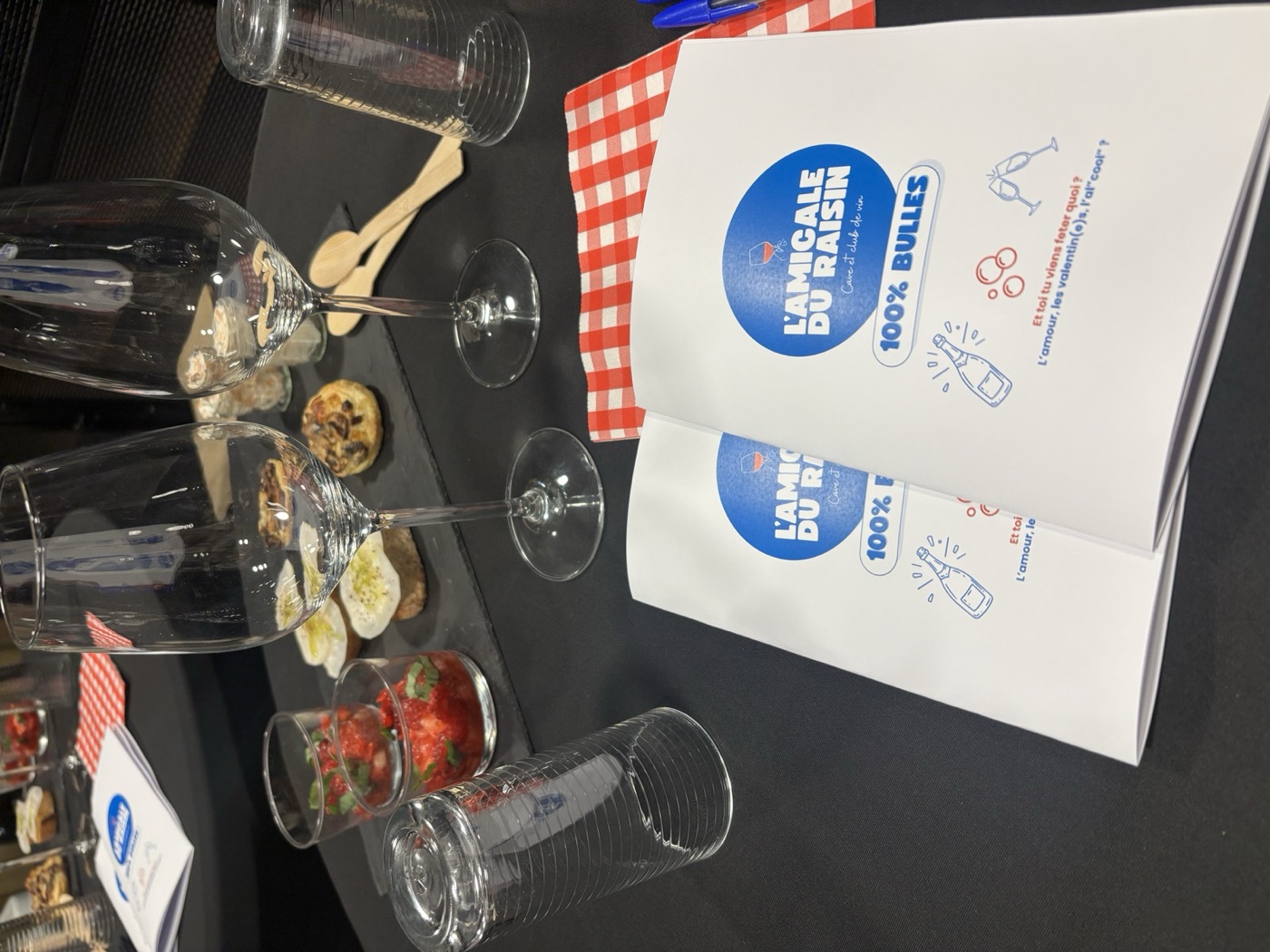
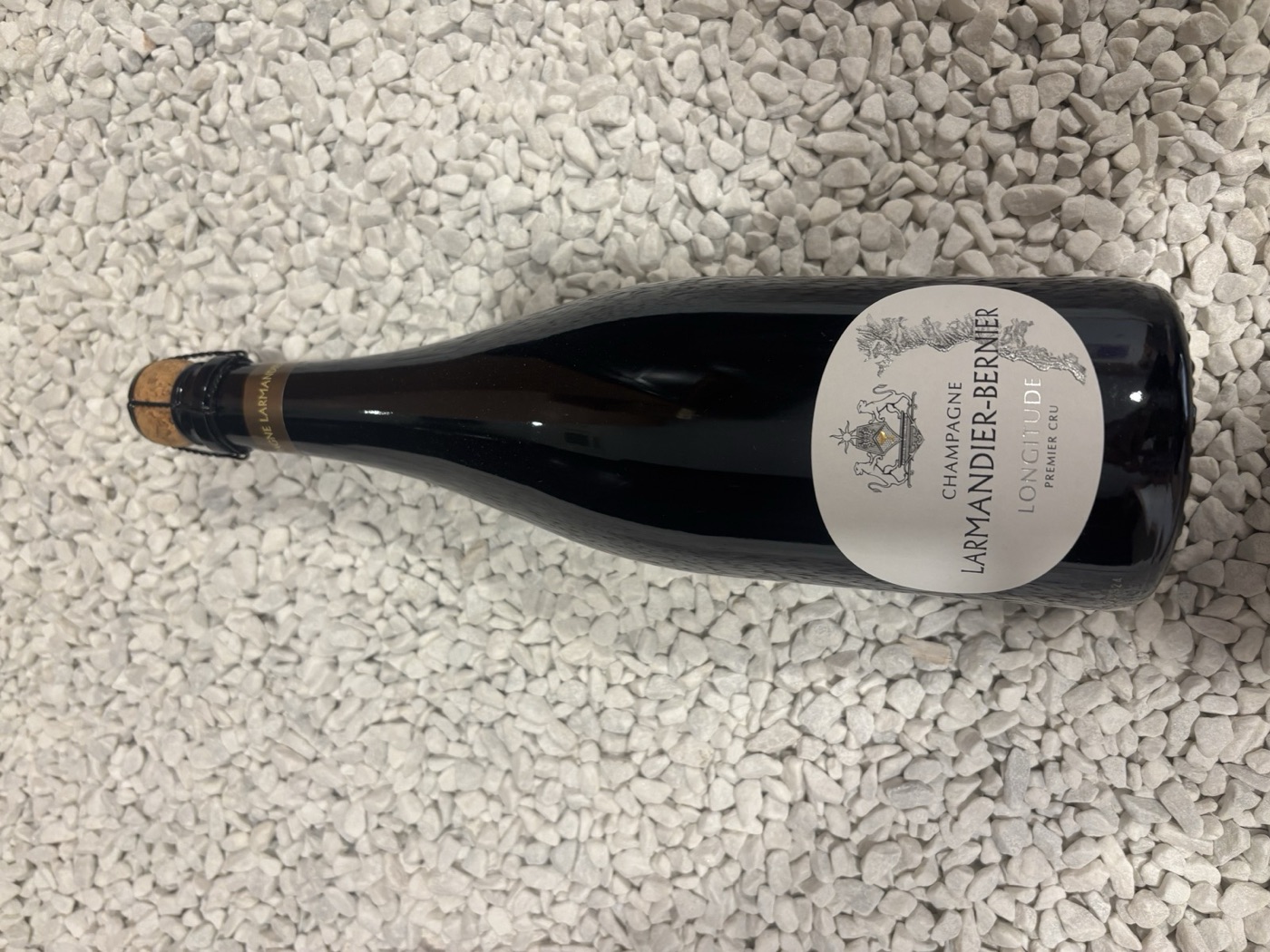
L'Amicale's coinche tournament was a hit: twelve pairs did battle, and the Bizons played their cards better than anyone — they succeed the Gazelles. We also lived through a champagne tasting that will go down in the sommelier books: four sparkling wines on paper… plus a few extras, including a coteaux champenois that won everyone over and a blanc de blancs that showed the very best the Champagne AOC can produce. A truly lovely evening.
And last month, 97 members joined L'Amicale du Raisin's WhatsApp community — day-to-day news on new arrivals, events and wine culture.
Bordeaux: more than a city, an ambassador of wine
The history of wine in Bordeaux goes back to Antiquity. It was the Romans, in the 1st century, who planted the first vines in the region. Thanks to its strategic position along the great, magnificent Garonne and its opening onto the Atlantic, the city became a major trading port.
In the Middle Ages, the marriage of Eleanor of Aquitaine to Henry II of England created the "crunch" and opened the doors of the English market to Bordeaux wines. Exports exploded and "claret" — a pale wine, though still redder than rosé — became the favourite drink of the English. It marked the beginning of French hegemony in the world of wine. Over the centuries, Bordeaux built a unique organisation founded on châteaux, the négoce trade and a hierarchy of crus — most famously the 1855 classification, commissioned by Napoleon III for the Paris World's Fair.
But where does the reputation of Bordeaux wines come from?
First, from an exceptional terroir: a temperate oceanic climate, varied soils — gravel, clay-limestone, sand — and the proximity of the Garonne and Dordogne estuaries provide ideal conditions for the vine.
It is also explained by the art of blending. Unlike other regions, Bordeaux marries several grape varieties: Merlot, Cabernet Sauvignon, Cabernet Franc, sometimes Petit Verdot or Malbec. This blending yields balanced, complex wines built for ageing — a committed stance, but one that pays off over time. Finally, the international fame of the great growths and the power of the historic merchant network have done much to make Bordeaux a global reference.
Left bank and right bank: what are the differences?
The Gironde estuary divides the Bordeaux vineyard into two great entities. The left bank — notably the Médoc and the Graves — is marked by gravel soils that favour Cabernet Sauvignon: wines that are often structured and tannic, with serious ageing potential, made to grow old. The right bank — Saint-Émilion, Pomerol — offers more clay-limestone soils where Merlot dominates: wines that are generally rounder, more supple in their youth, with a velvety fruit.
These differences do not place one above the other: they are two distinct styles, two expressions of the same great vineyard, and that diversity is the whole richness of Bordeaux. So which bank is the best? The answer comes in April.
Coming up: the Jura, then the battle of the two banks
On 12 March, a stroll through Jura country: come taste the wines of a vineyard with rich terroirs and a strong identity, always paired with the right little dish. Does the Jura ring a bell? Savagnin? Vin jaune? Arbois, vin de paille, Trousseau, Poulsard? We will explain it all — the region is full of small producers who love doing things with conviction, and they are free spirits. From 7.30pm to 9.30pm, €50 for non-members and €40 for members.
And on 16 April, the Bordeaux battle: right bank versus left bank. You will be named judges, and the decision will be yours — the level is high on both sides of the Garonne.
New in the cellar: Domaine Chermette returns
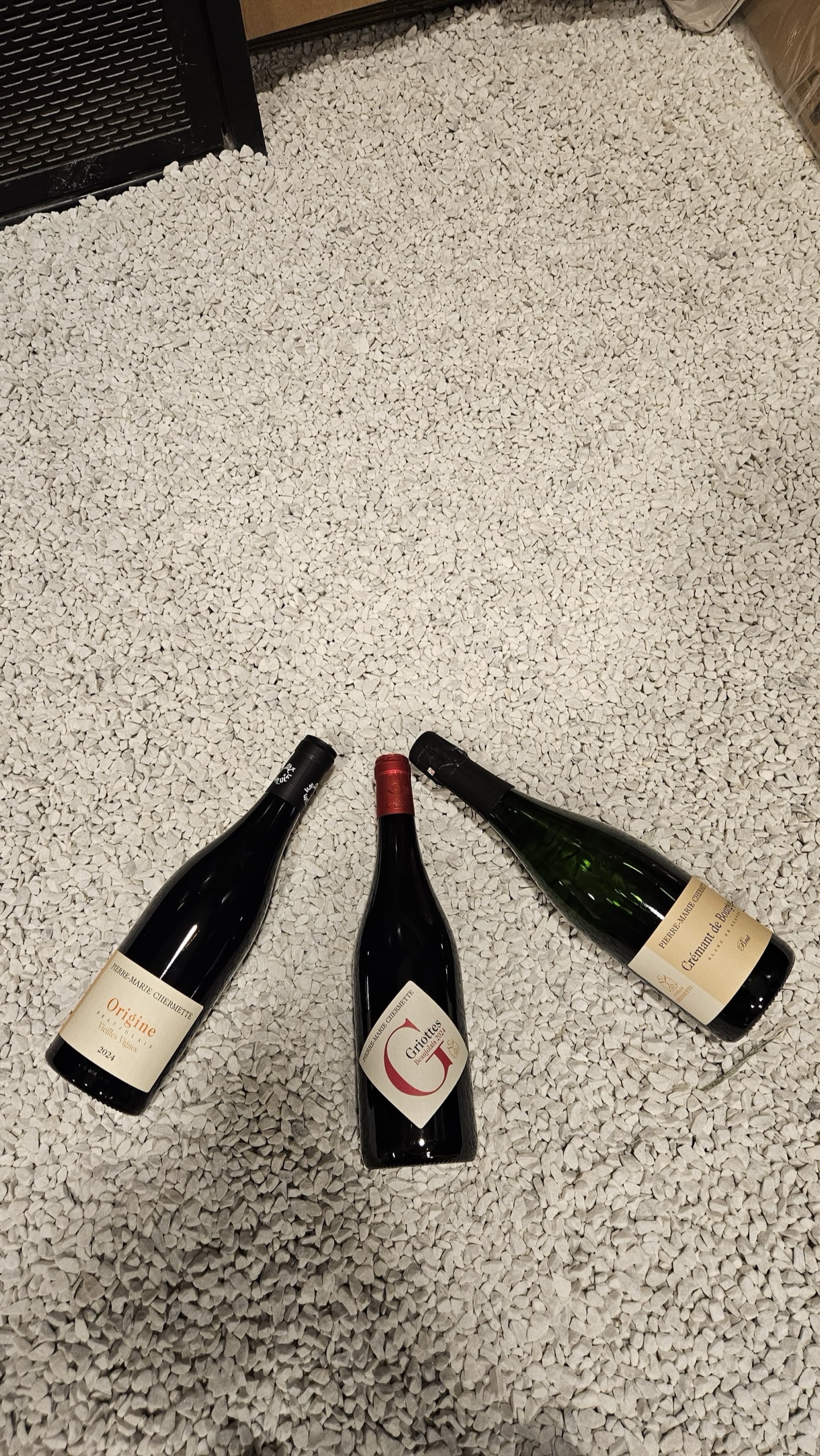
In the heart of the Beaujolais, Domaine Chermette cultivates the art of wine with passion and precision. Between family traditions and respect for the terroir, it shapes sincere, fruity, elegant cuvées. Les Griottes (€9.90), ultra-generous, brims with crunchy little red fruits and joyful freshness. Origine (€11.40), deeper and more authentic, reveals the character of the terroir with elegance — two styles, one passion. And the Crémant de Bourgogne brut (€18), fresh and elegant: citrus, white fruit and a subtle floral touch, ideal as an aperitif.
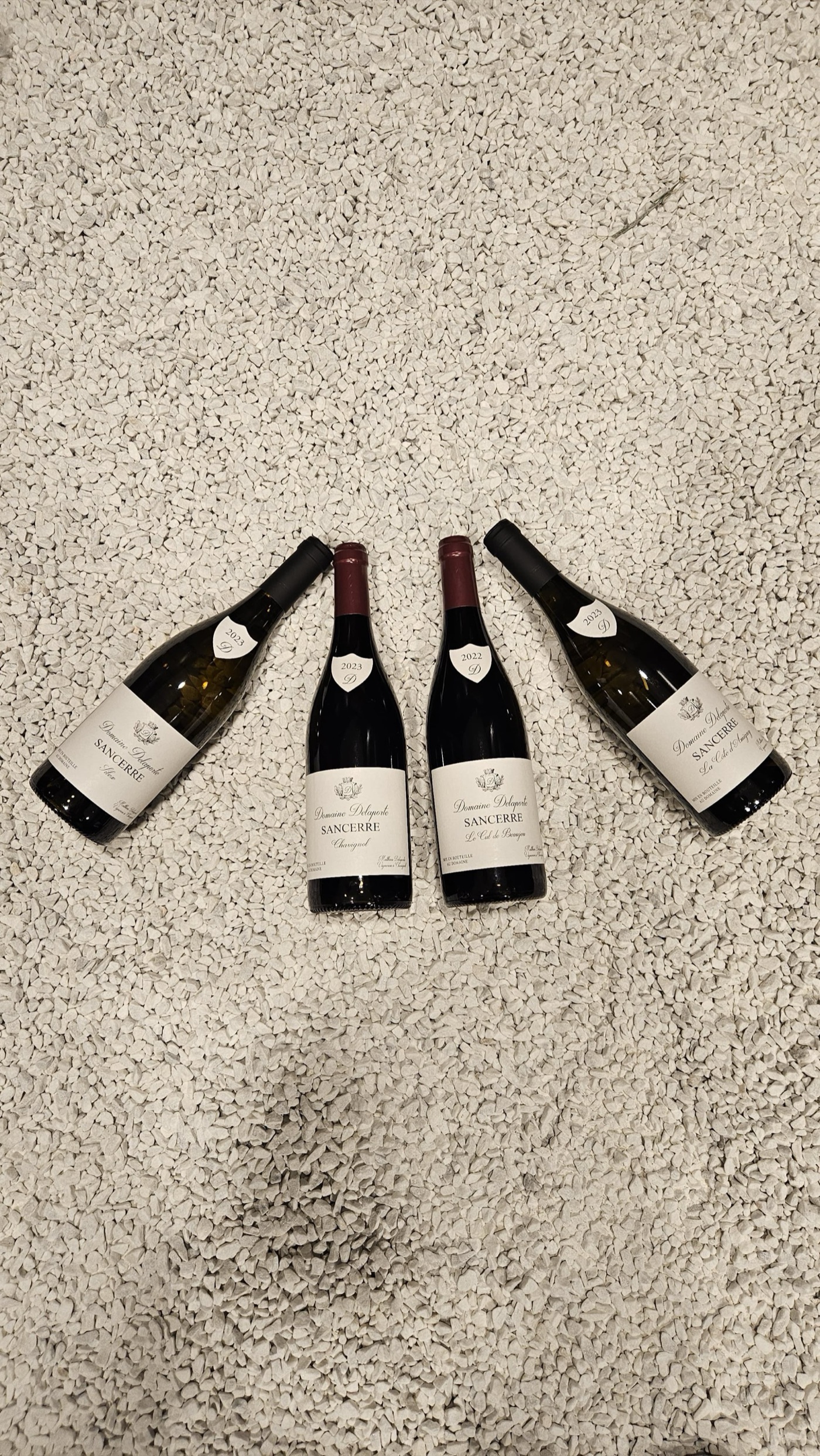
Domaine Delaporte, Sancerre
A family estate dating back to the 17th century — suffice to say they know their vines. Certified organic, of course, with beautifully made wines, perfect for fine meals. Chavignol Pinot Noir 2023 (€26): superb freshness, perfect for lovers of white meat. Cuvée Silex 2023 (€28): a white with fine tension, mineral and white flowers — it wears its name well. Côte d'Amigny 2023 (€52): the quintessence of Sauvignon Blanc after 18 months of ageing, which will sublimate your fish after a few minutes of air. Le Cul de Beaujeu 2022 (€34): a sun-kissed, balanced Sancerre Pinot Noir, perfect with a cut of beef. And a few bottles remain of Monts Damnés 2021 (€34), Sancerre's emblematic slope — an absolute must-taste.
Les Terres Bariolées, third vintage
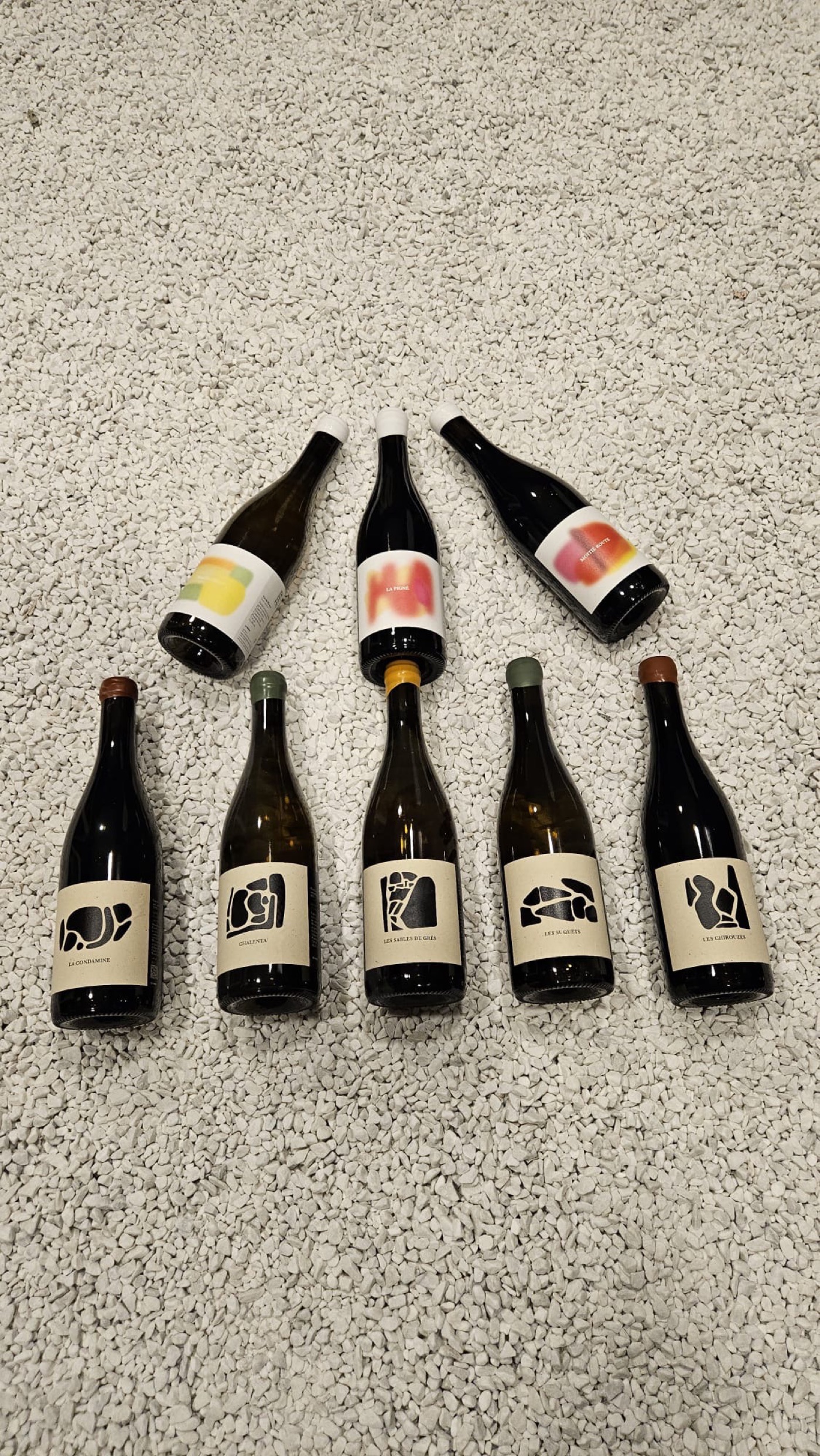
The estate was created in 2022 by Claire Freist and Edoardo Veltroni, two talented winemakers who met while working at prestigious Burgundy estates before settling in Chalus, near Issoire, in Auvergne. Barely five hectares, first wines since 2022, and remarkable work with Pinot Noir, Chardonnay and Gamay: fresh Chardonnay with fine acidity, elegant, fruity, promising Pinot Noir. We are delighted to offer their third vintage — careful, it delivers: in ten years everyone will be fighting over it. Chalenta 2024 (€48), Chardonnay AOC Côtes d'Auvergne; Les Sables de Grès 2024 (€43.20), macerated Chardonnay Muscaté; La Condamine 2024 (€36), Gamay from Boudes; Les Suquets 2024 (€43.20), Chardonnay; and Les Chirouzes 2024 (€43.20), Pinot Noir IGP Puy-de-Dôme.
And above all, let us not forget: drinking a bottle means saving a winemaker.