Grape varieties tasted blind: the September evening
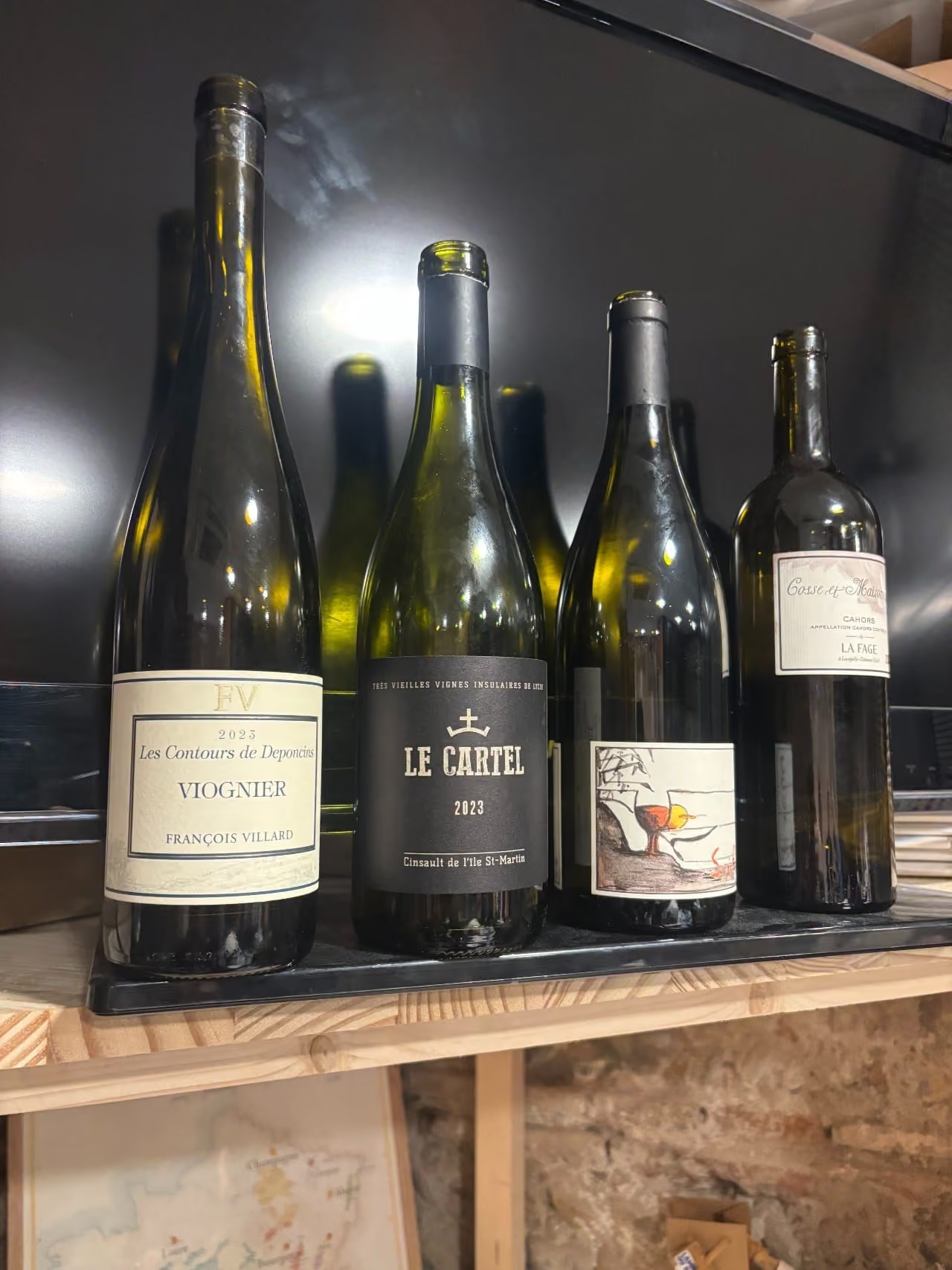
In September, our guests took on a tricky exercise: recognising grape varieties blind. In the glasses: the Viognier of François Villard's Contours de Deponcins, the Cinsault from Le Cartel, made as a blanc de noirs (the trap wine), the Cabernet Franc of Jour de soif from Domaine du Bel Air, and the Malbec of La Fage from Domaine Cosse-Maisonneuve.
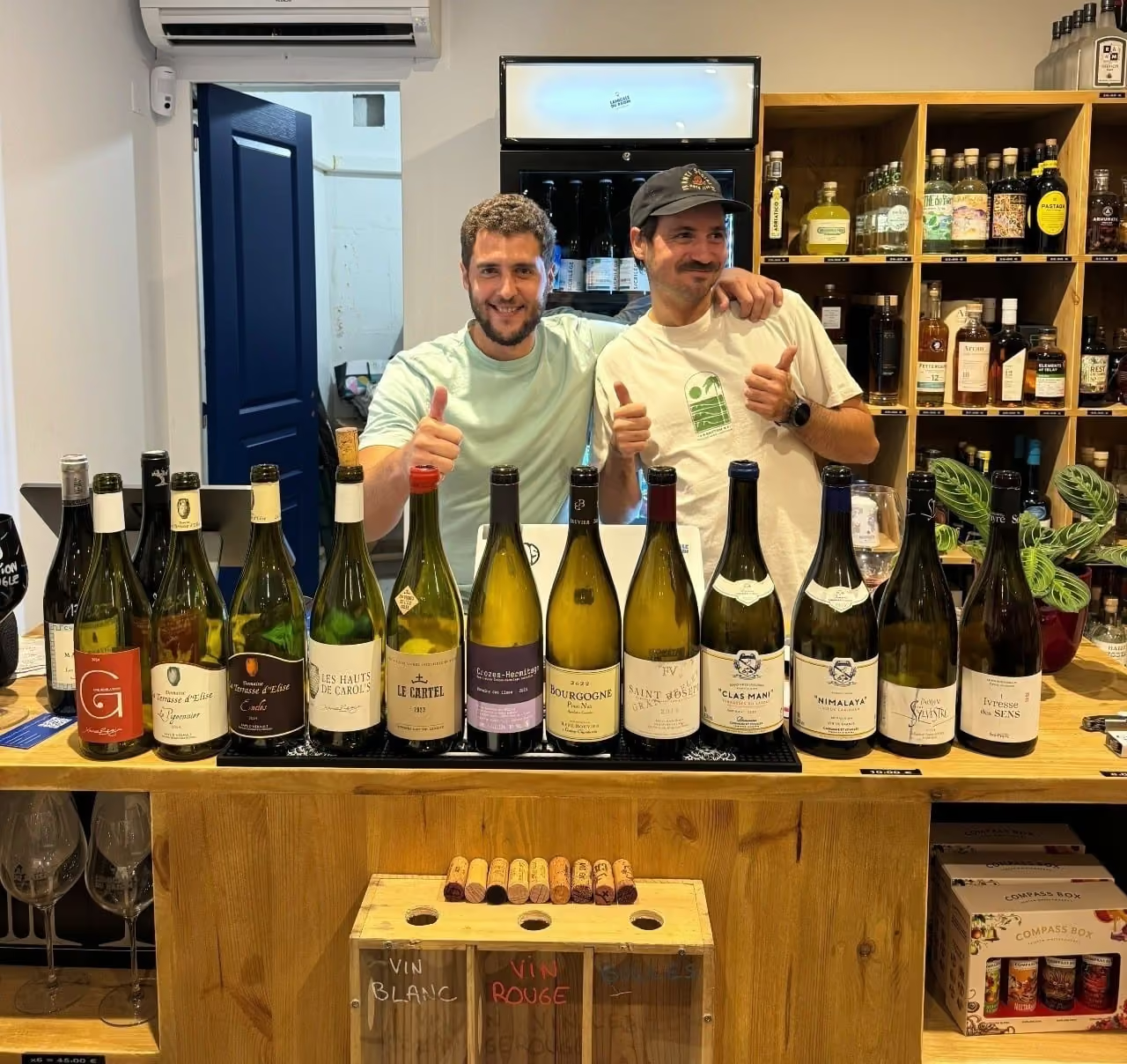
The evening was also the occasion to welcome the Club's new members. We were meant to taste the wines of La Terrasse d'Élise; the thirst for discovery decided otherwise, and other bottles were opened. A lovely evening of meetings and conversation: we are reassured, we are not the only enthusiasts.
What's new in October: a wine bar is on its way
Picture a wine bar in the heart of Saint-Cyprien: a place to pick your bottle from the shelves and nibble something after a long day at work. No date to announce yet, but it will soon be possible at the shop.
The October date: Chenin versus Chardonnay
On 15 October at 7.30pm, two great grape varieties step into the ring. Chenin and Chardonnay face off in a tasting that travels through their many expressions. Freshness, generosity, tension, richness: which one will win you over?
An ideal evening to understand what gives these two stars of French vineyards their personality. Come and pick the winner at 13 rue Joseph Vié: your palate will be the only judge. Booking is on the Events page.
Wine insight: the different macerations
Maceration is the moment when grape and juice spend time together to get to know each other. The juice stays in contact with the skins, the pips and sometimes the stems: that is where it finds its colour, its tannins and part of its aromas. And as in life, there are several ways of spending time together: some rather quiet, others far more intense.
Traditional maceration. The great classic of red wines. The grapes go into the vat and the juice stays in contact with the skins during fermentation. The longer the maceration, the greater the extraction of colour, tannins and certain aromas can be. Pumping over or punching down brings the skins back into contact with the juice. In short, everyone in the vat is at work.
Cold pre-fermentation maceration. Before fermentation starts, the grapes are kept waiting at low temperature for a few days. The aim: to extract more aromas and colour while limiting the extraction of tannins. It is a bit like the wine's waiting room: “Make yourselves comfortable, fermentation will start in a few days.”
Carbonic maceration. Well known in Beaujolais, this method places whole bunches in a vat saturated with CO₂. The grapes then begin to ferment from the inside, with no need for yeast at first. The result: wines that are often very fruity, supple and moreish. The grape ferments solo. Well, almost.
Semi-carbonic maceration. Here we sit between two schools. Whole bunches are placed in the vat and the weight of the grapes gradually crushes those at the bottom. Part of the juice therefore ferments normally, while the berries on top evolve in a CO₂-rich atmosphere. The result is often a fine balance of fruit, freshness and structure.
Skin-contact maceration. Used mainly for white wines, it leaves the juice in contact with the skins before or at the start of fermentation. It can bring more aromas, substance and complexity, which is especially interesting with certain aromatic varieties.
Long maceration. Here the grape is left to take its time: several weeks of contact between juice, skins and pips. This encourages substantial extraction and can give more structured, tannic wines built for ageing. But longer does not necessarily mean better: otherwise we would leave every wine to macerate for ten years and finally take a holiday. In winemaking, as so often with wine, it is all a matter of balance.
This month's favourites
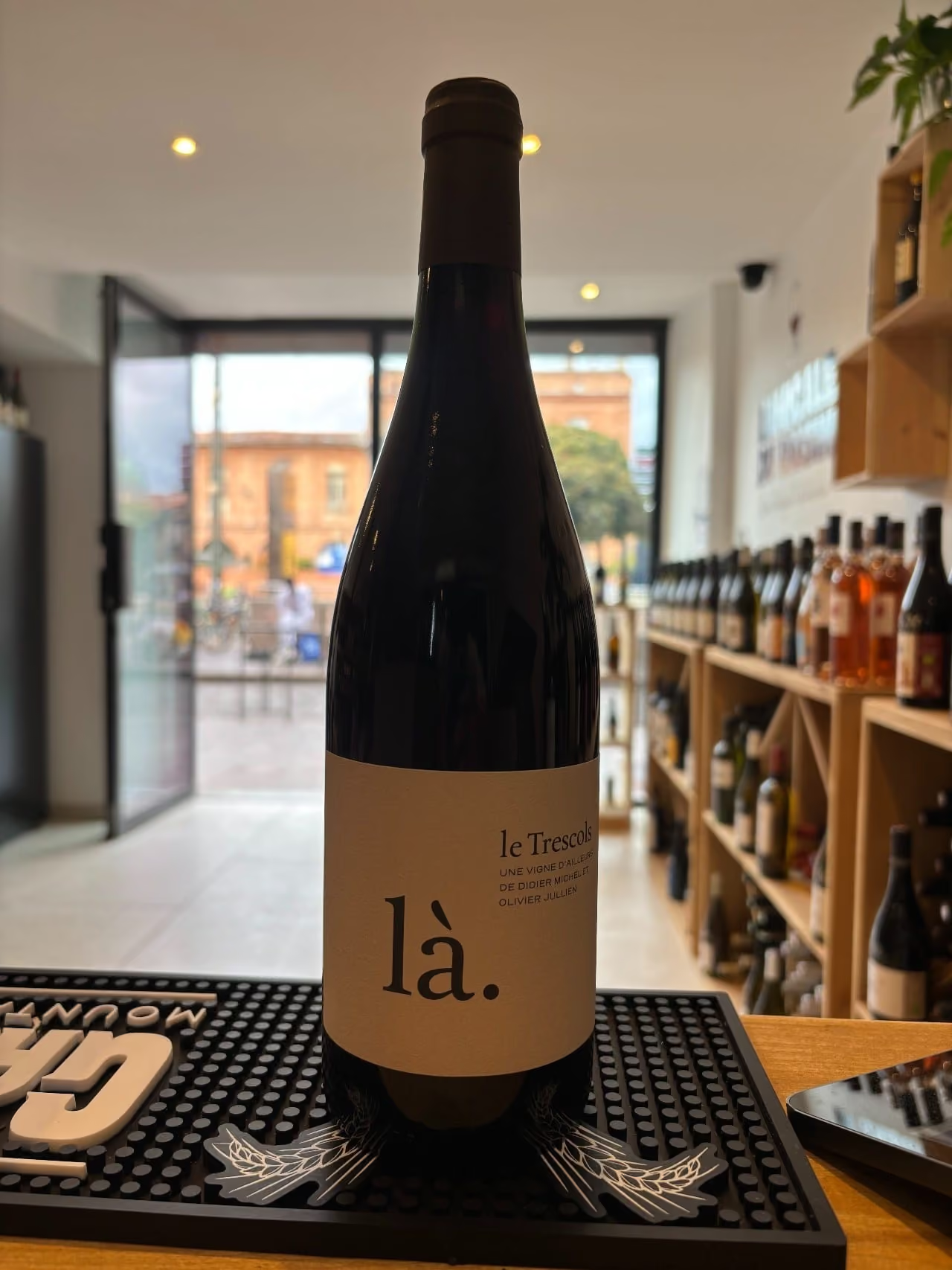
Le Trescols 2023, domaine Là. In Aveyron, they never do things like everyone else, and that is a good thing. A 100% Pinot Noir, aged for a little over a year in barrel, which gives it a slightly more southern feel. The red fruit is ripe, the oak subtle, the palate juicy and balanced. We love it: Olivier Jullien has done fine work once again. €46.40.
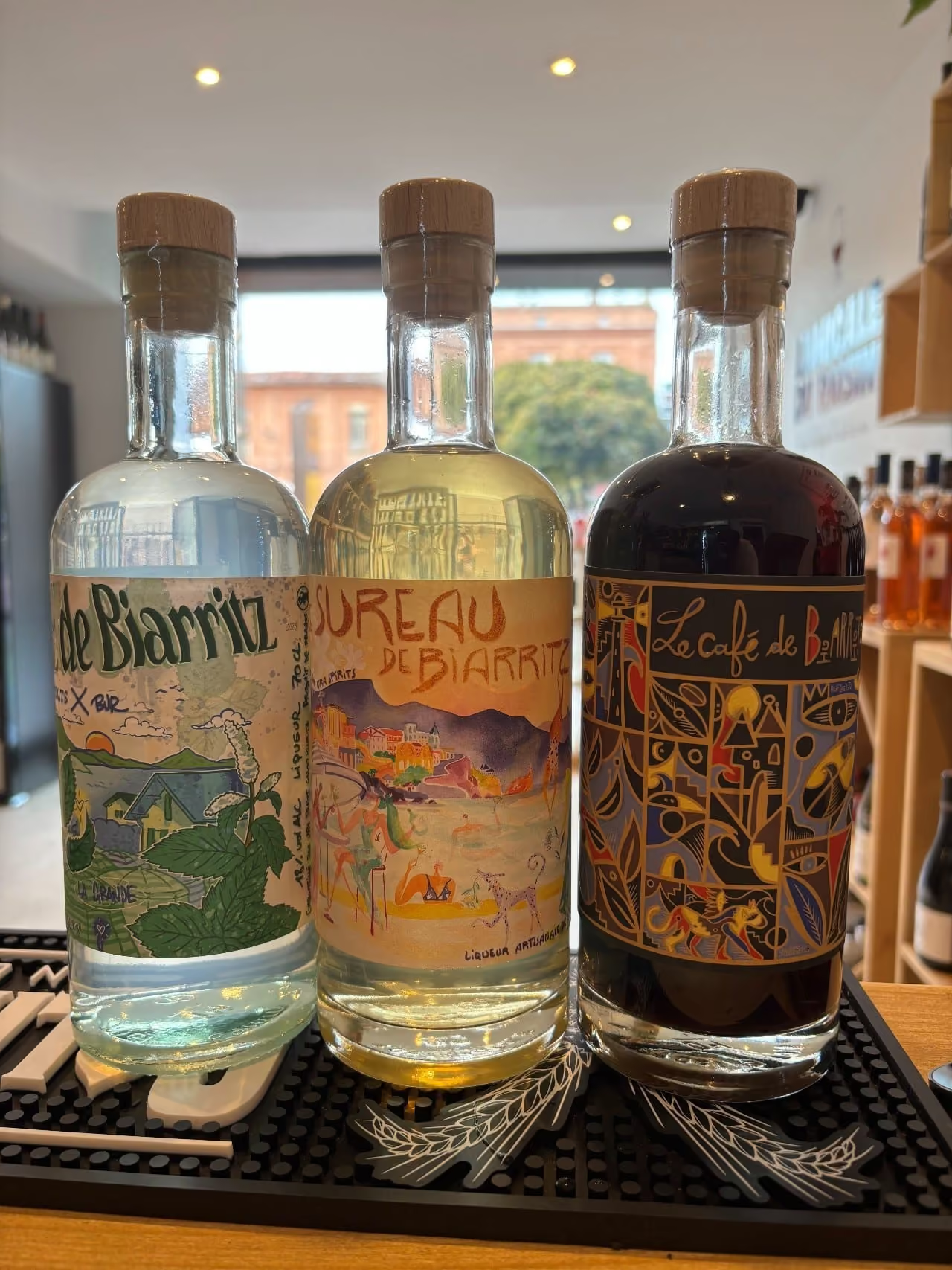
Liqueurs de Biarritz, Ura Spirits. No more liqueurs overloaded with sugar: here taste comes first, and it is good. Their only flaw: they never survive a weekend with friends. Mint and elderflower, €33; coffee, €35.
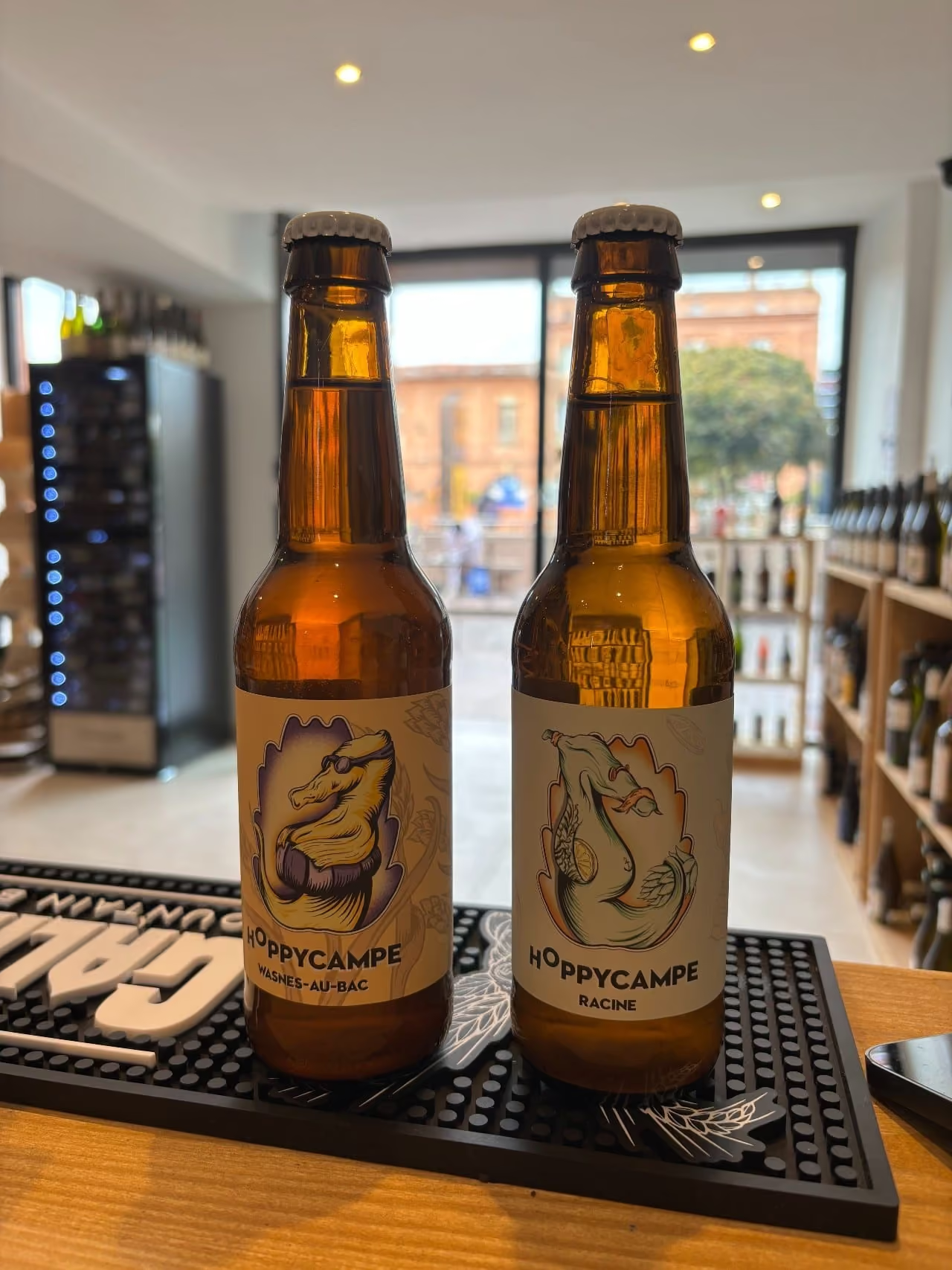
Hoppycampe. A brewery in Plaisance-du-Touch, near Toulouse, where everything is organic and locally sourced. We offer a thirst-quenching blonde, a pale ale that is perfect after a long trail run. And for those after a beer with a little kick at the back of the tongue, a ginger IPA is also available. €4.10.
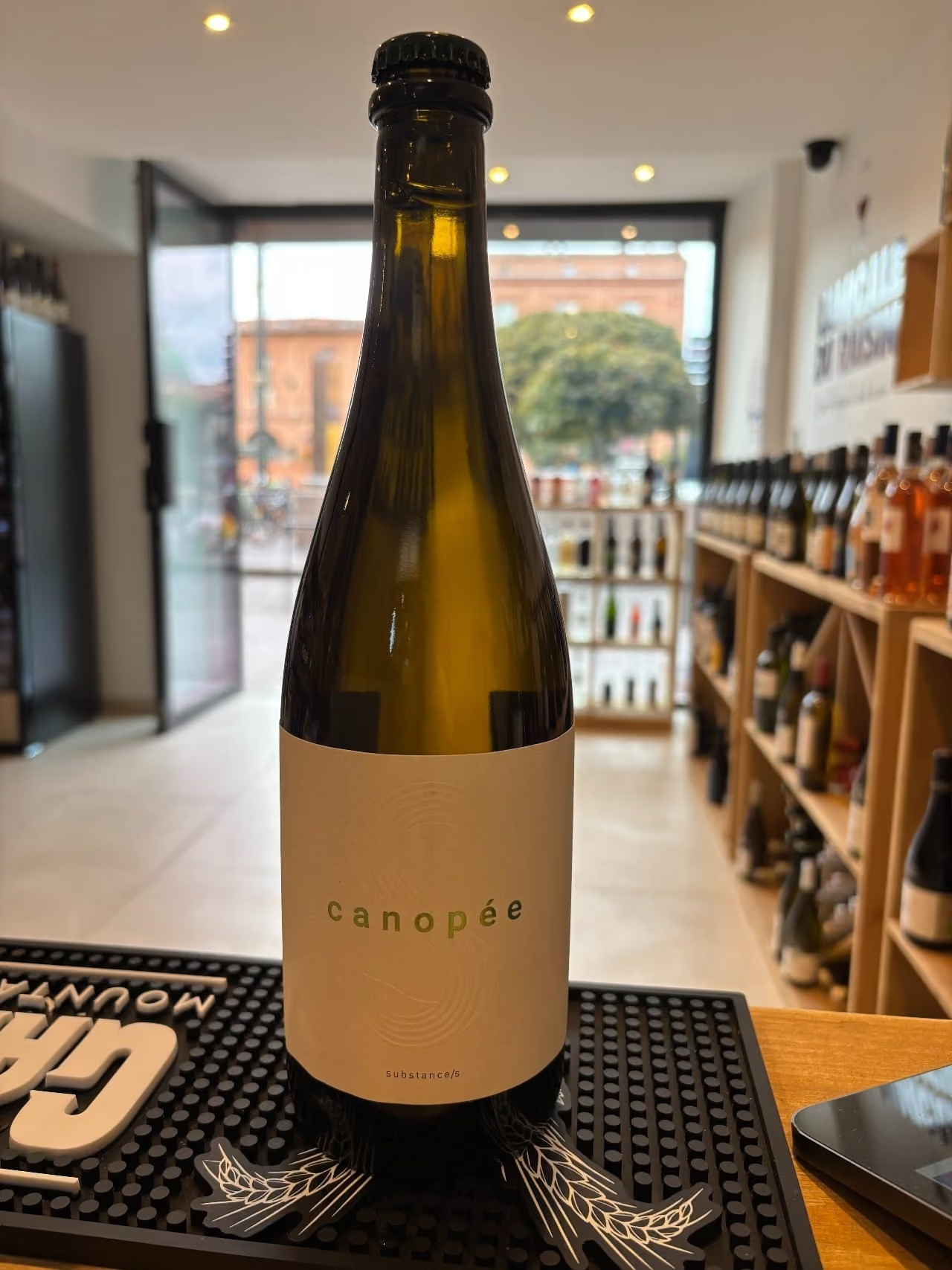
The alcohol-free bottle everyone agrees on. Myrko, a winemaker from Provence, created Substance/s: alcohol-free drinks made from fermented tea, a fine answer for your food and drink pairings. A soft spot for Canopée, built on Sencha tea and fig leaves.
We take orders by phone or email, and delivery is possible: drop us a line. And let us not forget: drinking a bottle means saving a winemaker.