March is behind us: what happened at L'Amicale?
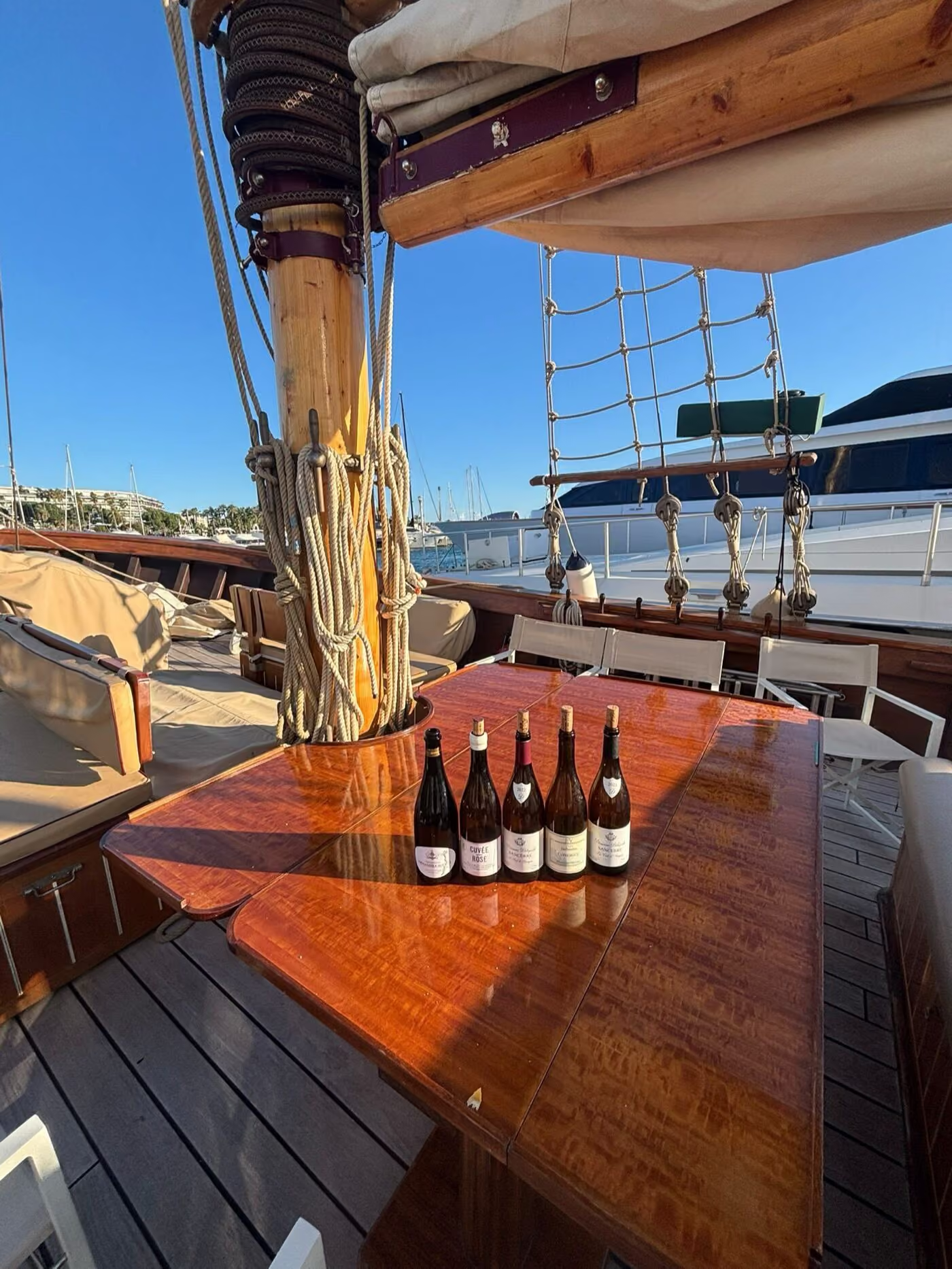
"That's it, they've got big heads, they think they're Americans!" Rest assured: we remain the little Toulouse micro-business. But we have validated something new — wine events in English are now possible, including on big boats.
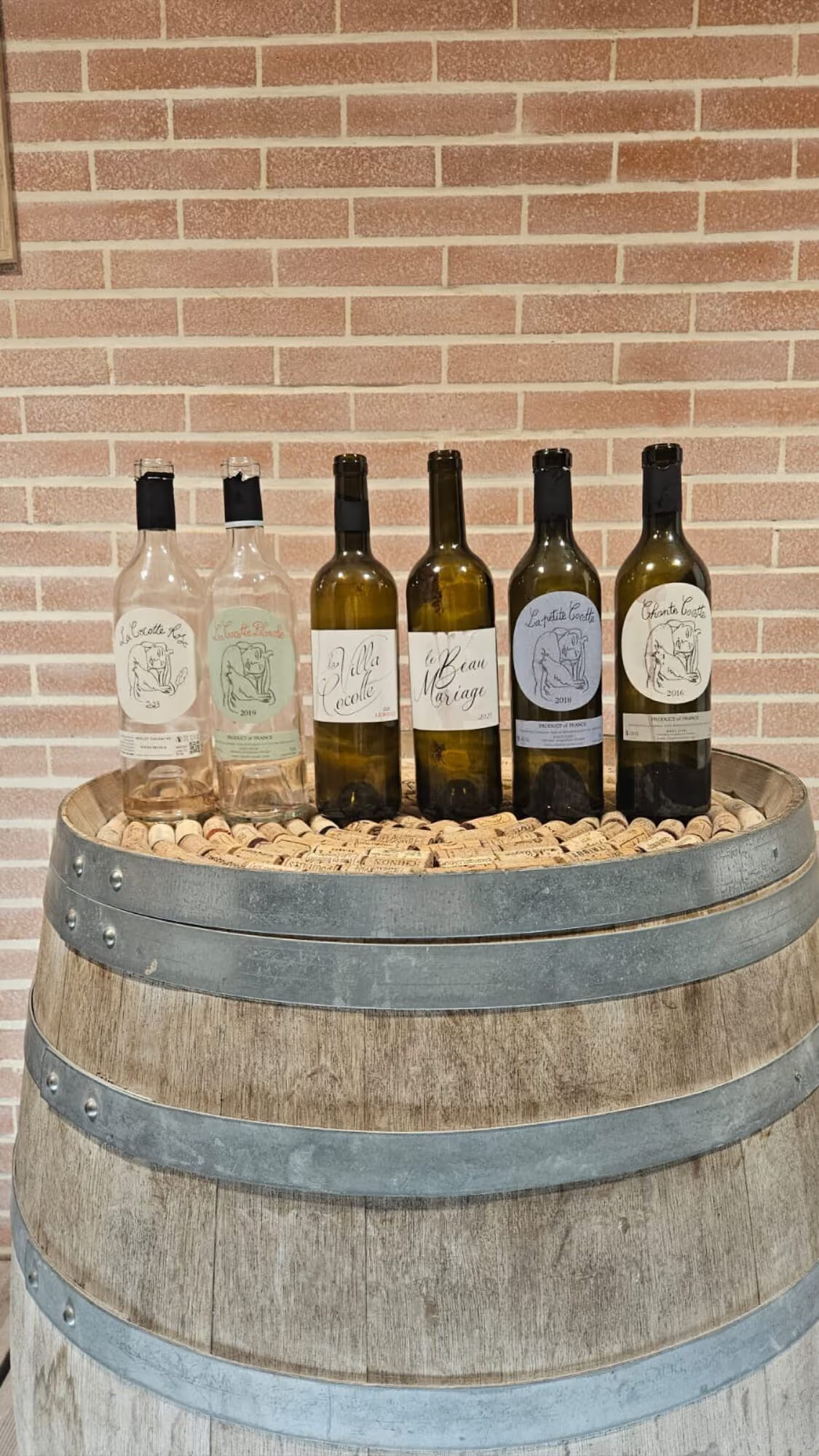
Chante Cocotte, an IGP Pays d'Oc estate, came to host a masterclass at the cellar: twenty Club members listened to Renaud share his vision and his way of making wine — and, of course, tasted part of his production.
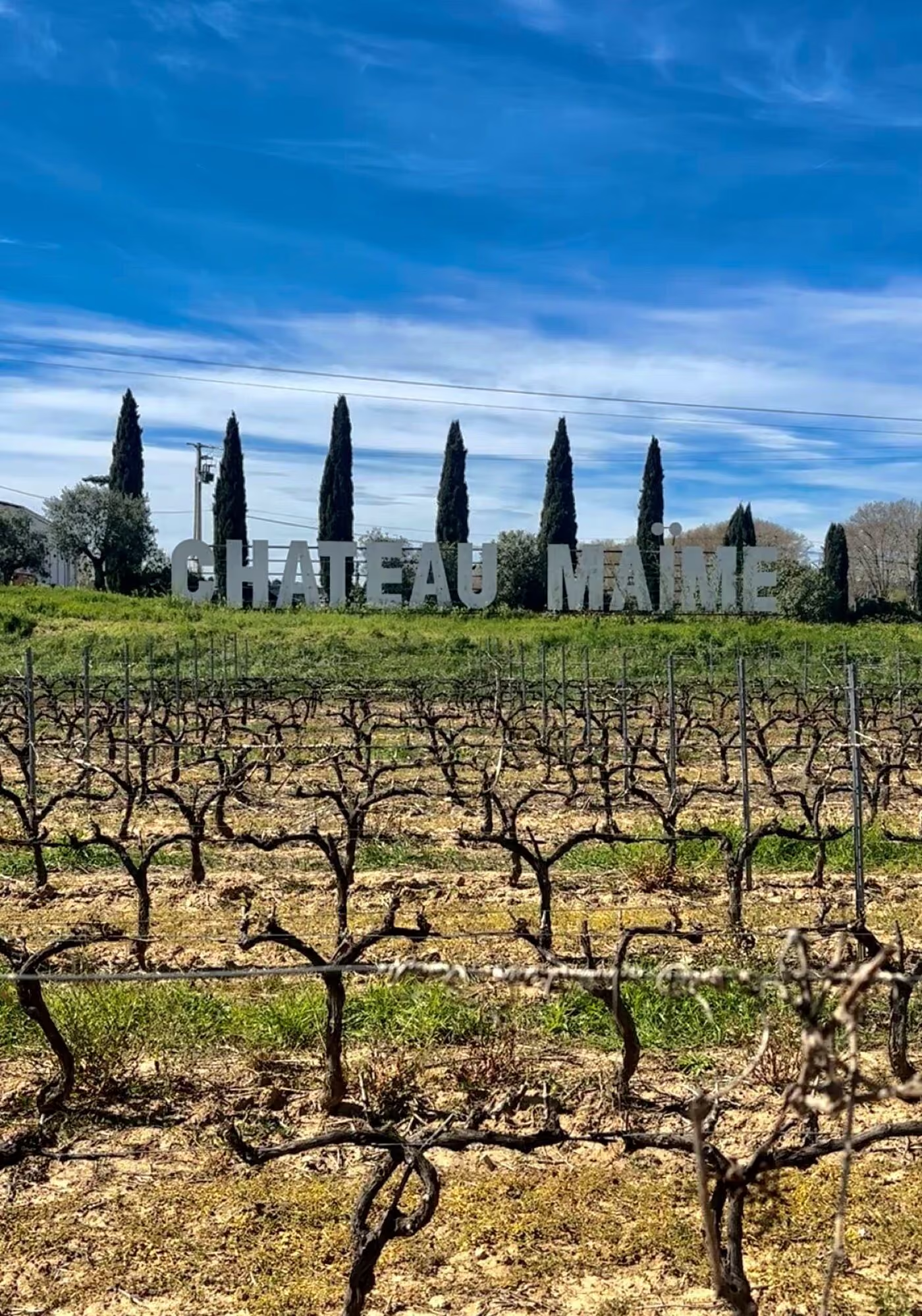
We also visited Château Maïme, in Provence — and we fully intend to have you taste that rosé soon. One last piece of news, and not the least: L'Amicale's website is now online. It will evolve with us — if you have feedback, we are all ears.
Languedoc-Roussillon: the oldest wine story in France
The history of wine in Languedoc-Roussillon is the oldest in France. Even before Bordeaux planted its first vine, the Greeks of Marseille introduced viticulture to the region as early as the 6th century BC. The Romans, true to their habit of appropriating other people's good ideas, then developed the vineyard massively.
In the 19th century, with the arrival of the railway, the Languedoc became the "vineyard of the Republic" and flooded Paris with colossal volumes — the largest vineyard in the world at the time, a statistic worth wheeling out proudly at dinner parties. But that quantitative glory had a downside: the region's reputation for quality took a hit, and for decades Languedoc-Roussillon meant cheap rough red. Since the 1990s, however, a quiet revolution has been under way. Today? It is probably the most exciting wine region in France. Shocking, but true.
Where does the richness of its wines come from?
The answer fits in one word: diversity. No unifying river like the Garonne here, no monolithic identity. Languedoc-Roussillon is a mosaic of terroirs stretching more than 300 km between Nîmes and the Pyrenees: a Mediterranean climate with 300 days of sunshine, the tramontane wind acting as a giant fan, and soils that read like a geology catalogue — black schist, Corbières limestone, Roussillon granite. Every appellation tells a different story: Pic Saint-Loup, La Clape, Faugères, Minervois, Banyuls… territories that wine lovers are finally learning by heart.
The grapes: an assertive Mediterranean identity
Grenache reigns supreme: generous, fruity, sun-drenched. Carignan, long shunned for its association with industrial wines, is enjoying a true rehabilitation on old vines — the revenge of the unloved. Syrah brings spice and structure, Mourvèdre character and depth. Among the whites, Picpoul has become the essential companion to oysters from the Thau lagoon — a match blessed by the gods. Blending remains a regional signature, even if single-variety wines are gaining ground among winemakers keen to express the singularity of their plots.
Moving upmarket: the great catch-up
Since the 1990s, a new generation of winemakers — often from elsewhere, drawn by affordable land and total freedom — has turned everything upside down: lower yields, organics and biodynamics, careful winemaking. The result is striking. Languedoc-Roussillon's value for money is probably the best in France: between €10 and €20 you find bottles that would make far more prestigious appellations blush. The Americans, Scandinavians and British understood before we did. The region also produces exceptional vins doux naturels — Banyuls, Maury, Rivesaltes — true hidden treasures that deserve an article of their own. Who knows, maybe one day.
The 16 April tasting: Bordeaux, right bank versus left bank
Apprentice sommeliers: come and learn where the fame of the Bordeaux vineyard and its world-renowned appellations comes from. This time we aimed high — great Bordeaux appellations, and above all vintages with some cellar age, always paired with the right dishes. On 16 April from 7.30pm to 9.30pm, €65 for non-members and €55 for members.
New in the cellar: La Clape has arrived
Domaine Sarrat de Goundy, AOP La Clape: a family story since 1966. Today Olivier runs the 80 hectares on the La Clape massif, between Narbonne and the Mediterranean, in organic conversion. Le Marin (€11.50), a 100% Chardonnay white from La Clape — iodine, fresh, mineral, ideal with seafood or a brandade de morue. Le Moulin (€11.50), a blend of Syrah, Grenache and Carignan on clay-limestone — jammy red fruit, a liquorice touch, a round palate and a spicy finish: a garrigue-and-sunshine red that is never heavy.
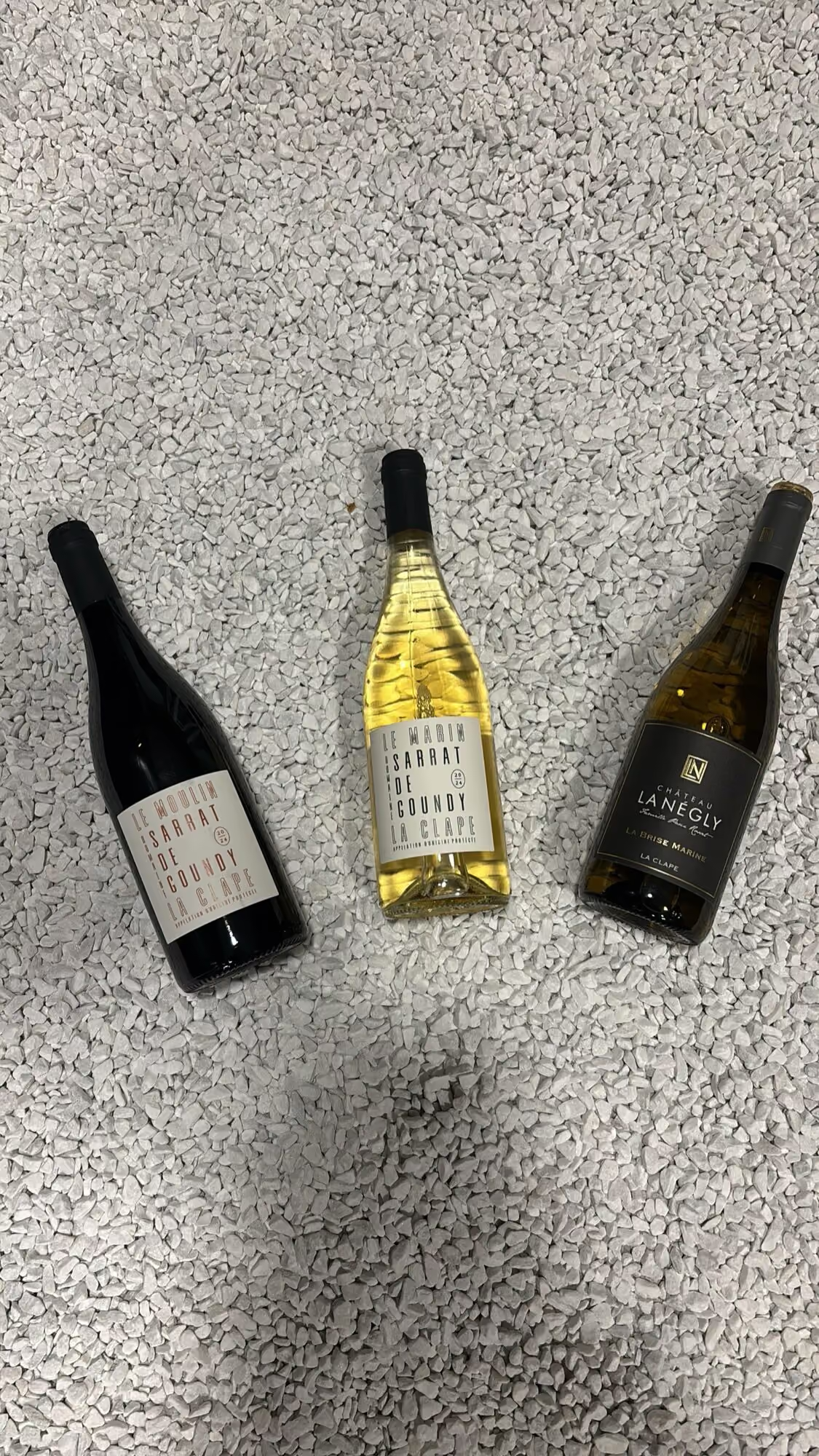
Château La Négly, AOP La Clape: on the southern slope of the massif, facing the Mediterranean, Jean Paux-Rosset has turned this family estate into an absolute Languedoc reference since 1992. Brise Marine (€16.90), a white of Roussanne and Bourboulenc aged on fine lees — exotic fruit, white peach, fresh almond, a lively mineral palate with that little iodine note reminding you the sea is a stone's throw away. With marinated salmon, it is an obvious match. La Côte (€15.90), the estate's "entry-level" red — though at La Négly, entry-level remains serious: Carignan, Syrah, Grenache and Mourvèdre, blackcurrant, black pepper, liquorice, a silky texture.
And Provence from Château Maïme
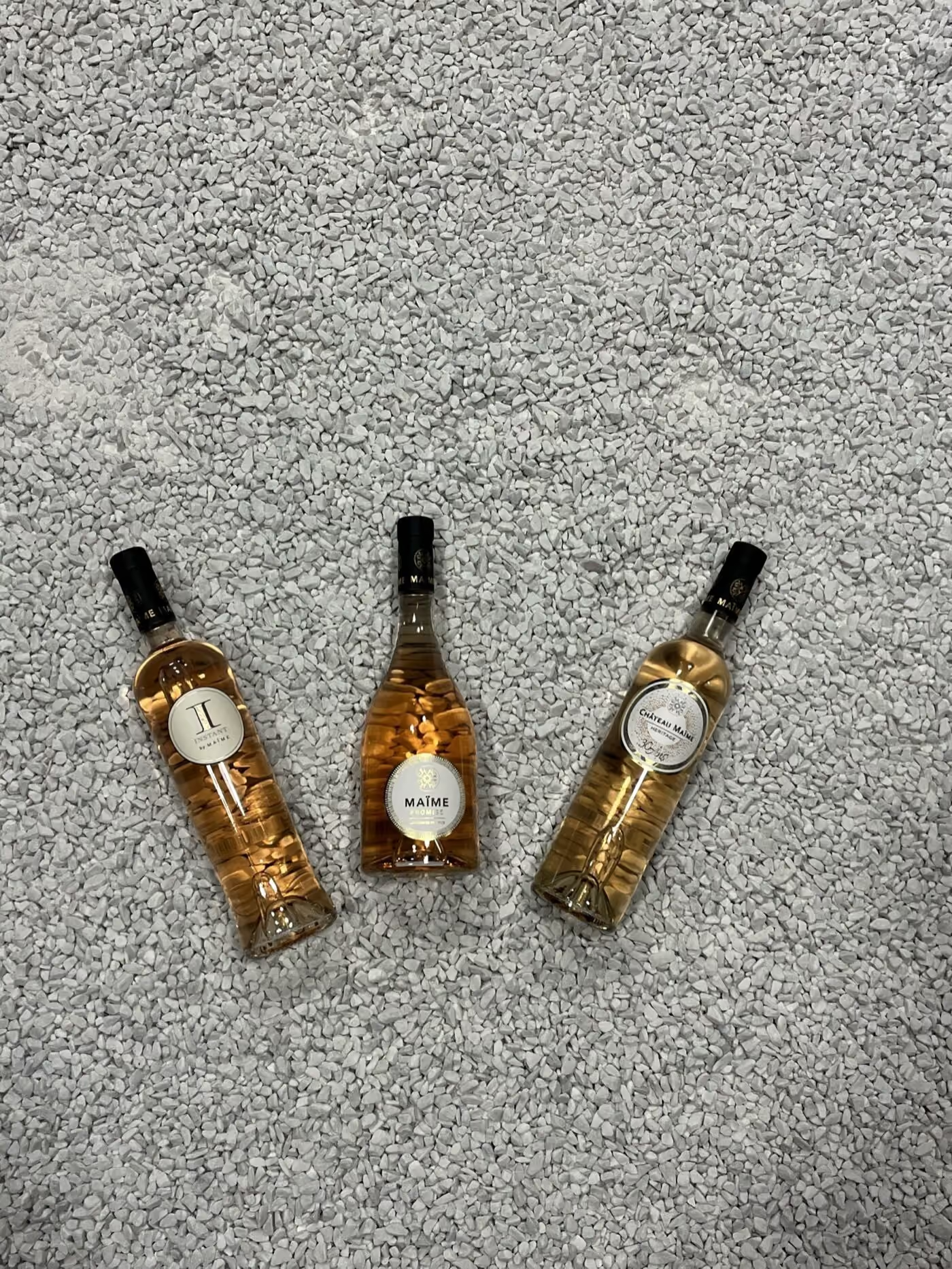
At the foot of the Maures massif, a stone's throw from Saint-Tropez, the Sibran family has built one of the most serious estates in the appellation — night harvests to preserve the aromas, Provence at its best. Héritage Rosé 2024 (€17), the signature cuvée: pale salmon colour, zesty citrus, a round fruity palate — the perfect Provençal aperitif, from starter to cheese without forcing it. Promise (€14), Grenache, Cinsault and Syrah: white peach, grapefruit, a velvety mid-palate and a vinous finish without heaviness — a generous rosé that keeps all its promises. L'Instant by Maïme (€11), 100% Cinsault from a single plot: the lightest rosé of the range, made to be drunk… now. Not tomorrow, now.
Also new in the cellar: the cuvées of Domaine La tête dans les étoiles — presented in detail in the May edition.